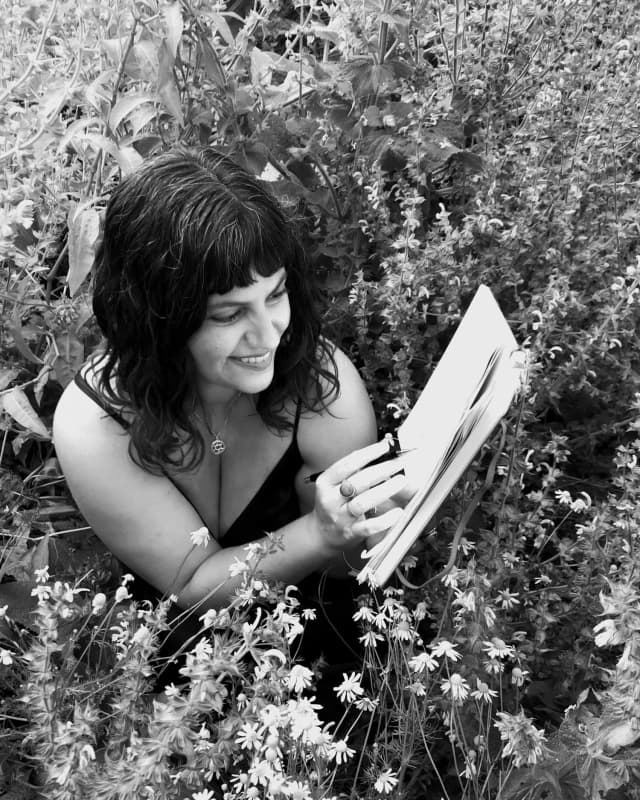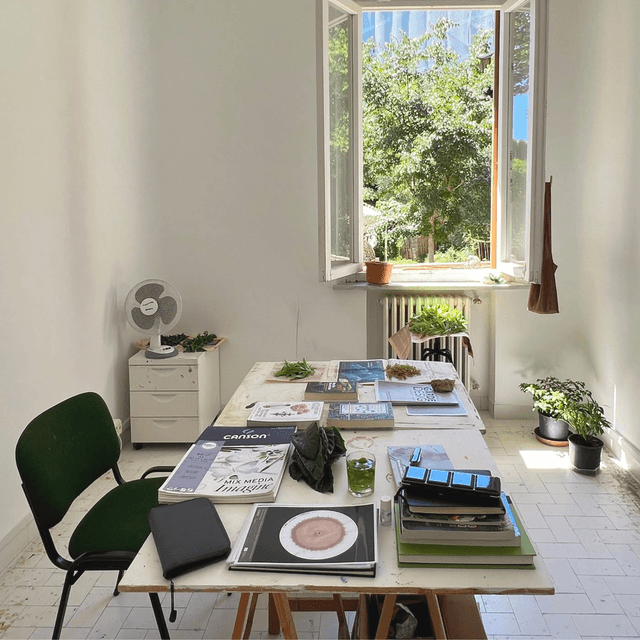
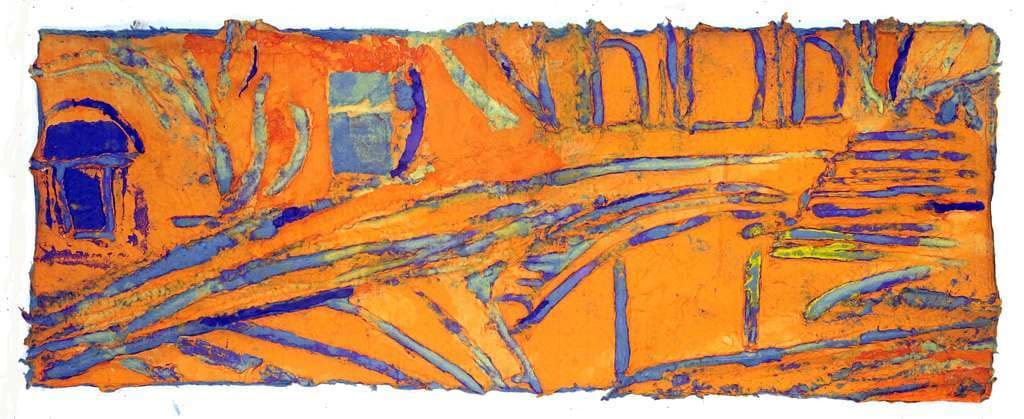
Drawing as Seeing is an innovative, immersive drawing program led by artist and educator Pamela Lawton at the Siena Art Institute. This intensive short course, ranging between 10 to 14 days depending on the year, is designed to deepen participants’ sensory engagement with art and place. It invites individuals of all visual abilities to explore drawing through touch, movement, sound, scent, and verbal description:not just sight.
About Pamela Lawton
The course is lead and taught by artist Pamela Lawton. Pamela Lawton, a Fulbright Scholar in 2019–2020, combines deep arts experience with inclusive teaching. Based in New York, she’s a longstanding educator at The Metropolitan Museum of Art. Her practice is rooted in accessibility, including her co-creation of Seeing Through Drawing, a course tailored for blind and low-vision adults and their companions at the Met. She’s joined by talented collaborators like Danny Licul, an artist and Italian-language consultant with roots in Italian heritage.
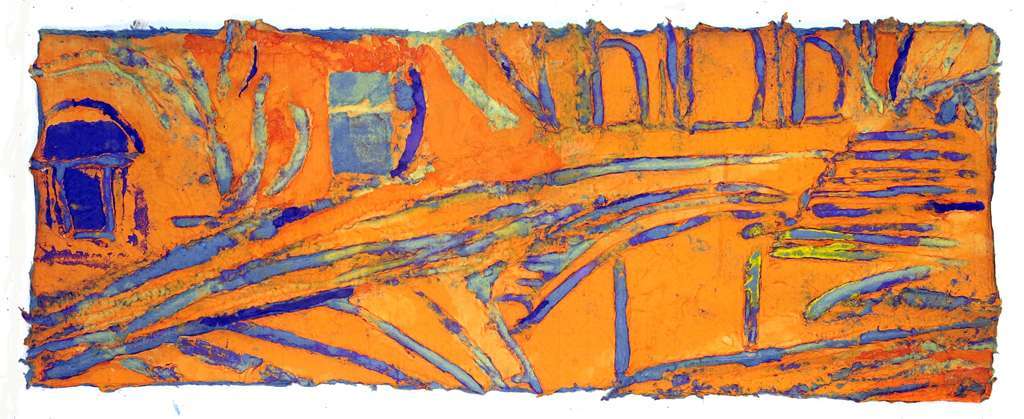
Siena: not just a backdrop.
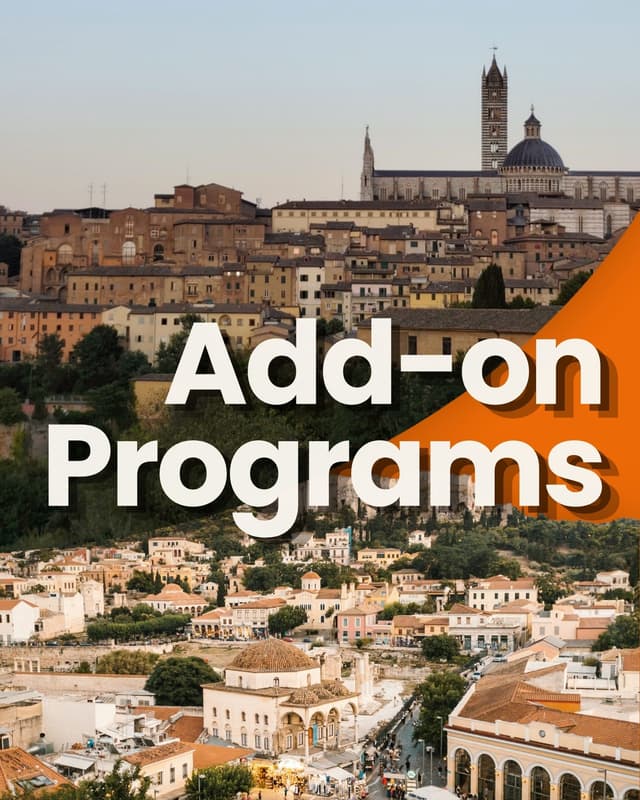
Set against the timeless beauty of Siena, Italy, this course uses the city as both backdrop and studio. Participants draw in iconic locations such as the Siena Cathedral, Palazzo Pubblico, Pinacoteca Nazionale, and even take day trips to Florence, including the Boboli Gardens. Some editions extend beyond Siena: Drawing as Seeing 2023 spanned between Siena and Athens over 14 days and was conducted with Art Cloud Greece. Additionally, the program has included collaborative multi-sensory drawing workshops at the Benaki Museum in Athens, thanks to a Fulbright-supported partnership between Lawton and Fotis Flevotomos. Participants of diverse abilities, including those with low or no vision, engaged in sensory-rich directed walks, tactile rubbings, and mixed-media drawing experiences.
How it works
The program is fundamentally process-oriented and accessibility-forward:
- Sensory exploration: Participants begin with tactile experimentation—mark-making using materials that vary in texture and resistance.
- Sensory walks: Embodied strolls through Siena’s streets, architectural highlights, and public spaces invite observation beyond the visual realm.
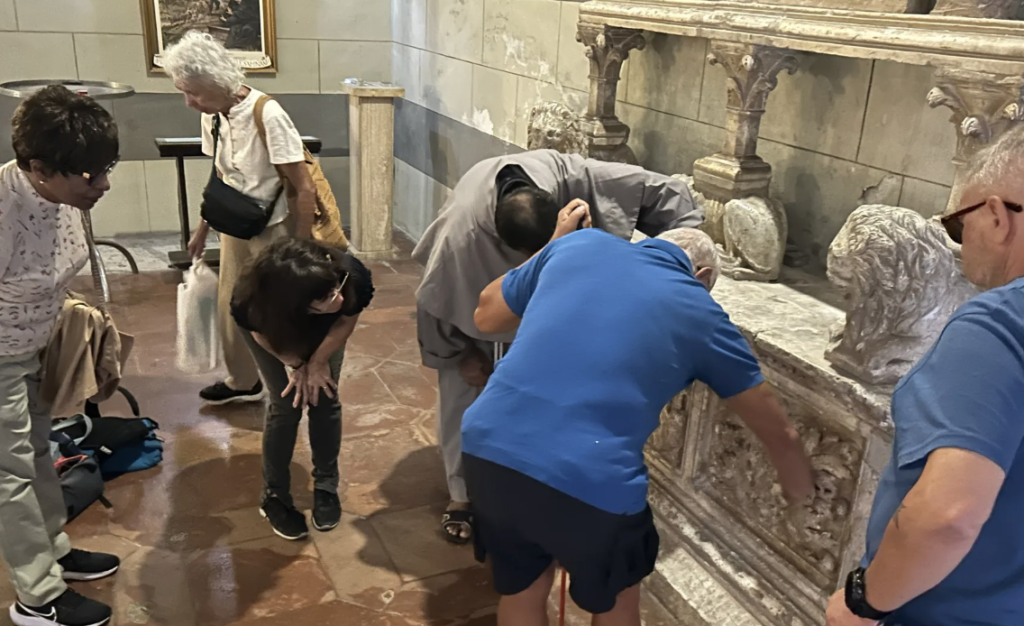
- Verbal description and memory drawing: In places like the Palazzo Pubblico and Pinacoteca, students draw based on listening, memory, and verbal input.
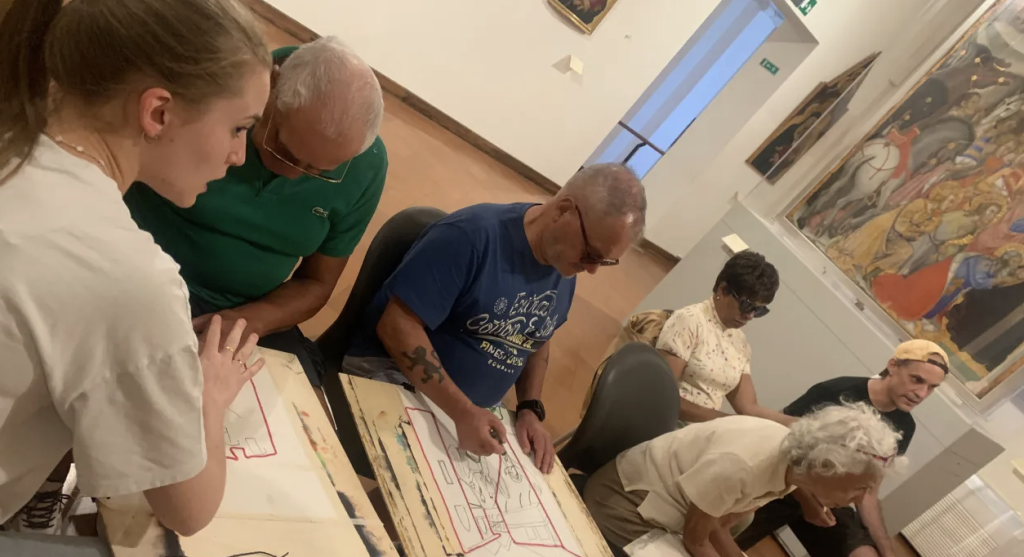
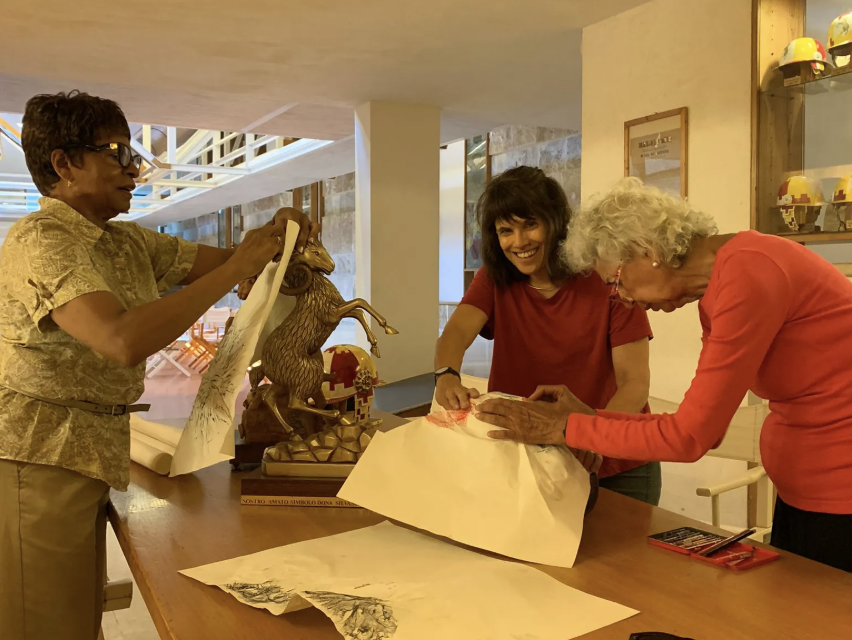
- Tactile rubbings & frottage: Surfaces, artefacts, and landscapes become immediate drawing stimuli through texture.

- Multi-sensory immersion: At sites like the Uffizi or Boboli Gardens, participants combine visual, tactile, and even olfactory elements: touching sculpture, smelling foliage, and experimenting with media to evoke sensations like coolness or motion.
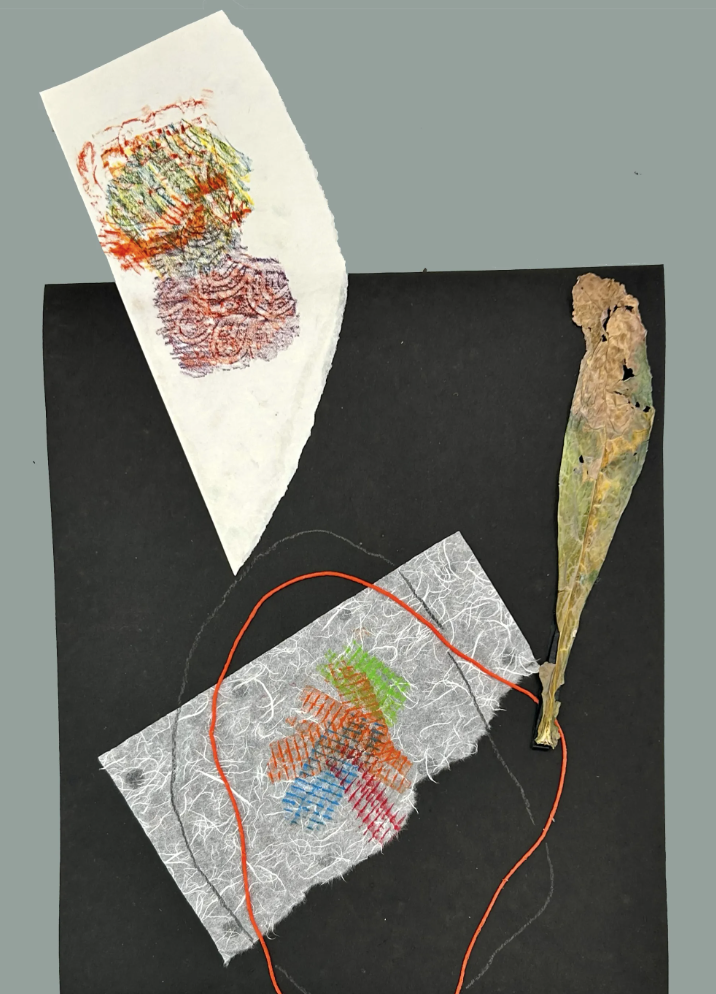
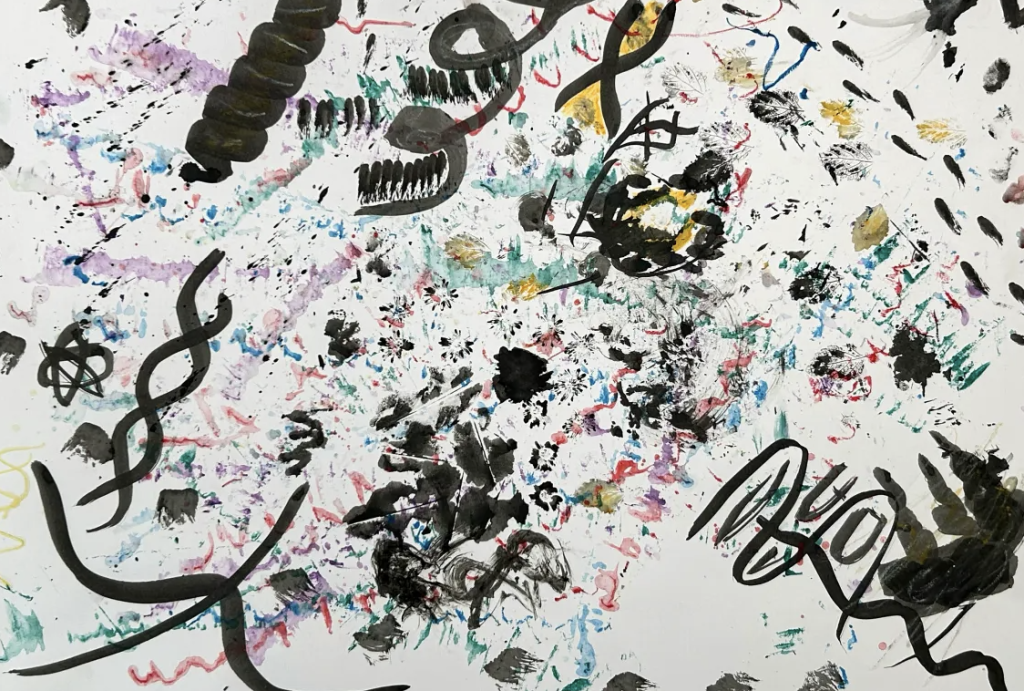
The participants are encouraged to explore new sensory techniques like drawing through touch or guided by smell, space and memory, giving them a heightened perceptual awareness and creative confidence. Drawing is also used as a tool for self-reflection and discovery, allowing for a more direct experience.
Check out our blog to see the day-to-day 2023 experience!
Why it matters
Drawing as Seeing pushes the boundaries of perception of Art ant the environment, understanding that drawing isn’t just visual, but kinesthetic, tactile and multi-sensory. It also becomes a bridge not a barrier, to creative expression by including different perceptions and focusing on active seeing: a conscious exploration of the world outside and inside.
For more information contact drawingasseeing@gmail.com or pamela@pamelalawton.com
Follow us on social media!